Wildlife
Wildlife Information
Forest Glade is the perfect place to stay if you are interested in wildlife! Surrounded by 300 acres of mixed woodland and situated in a National Landscape (formally an Area of Outstanding Natural Beauty) the park makes an ideal location for a holiday for nature lovers.
Wildlife Information
In the Tourist Information Room you will find information about local nature reserves and where to go bird watching, and nature related activities for children to enjoy.
There are some excellent local wildlife attractions and zoos – add them to your list of things to do when you are staying.
Read our news post to find out about the best places to go wildlife watching in Devon.
Why not let other guests see your photos by uploading them to our Facebook page?
Nature Trail
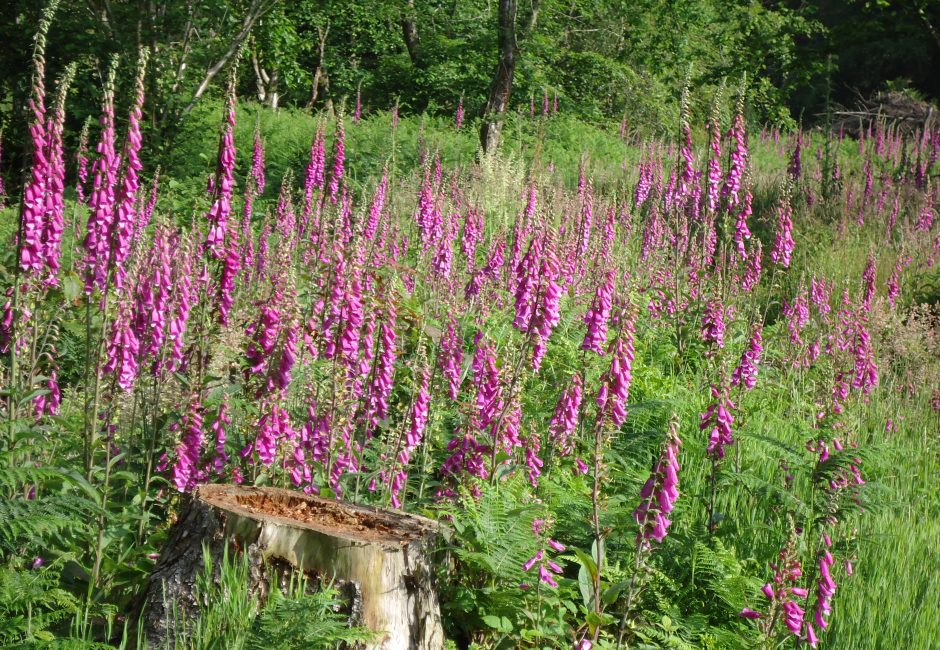
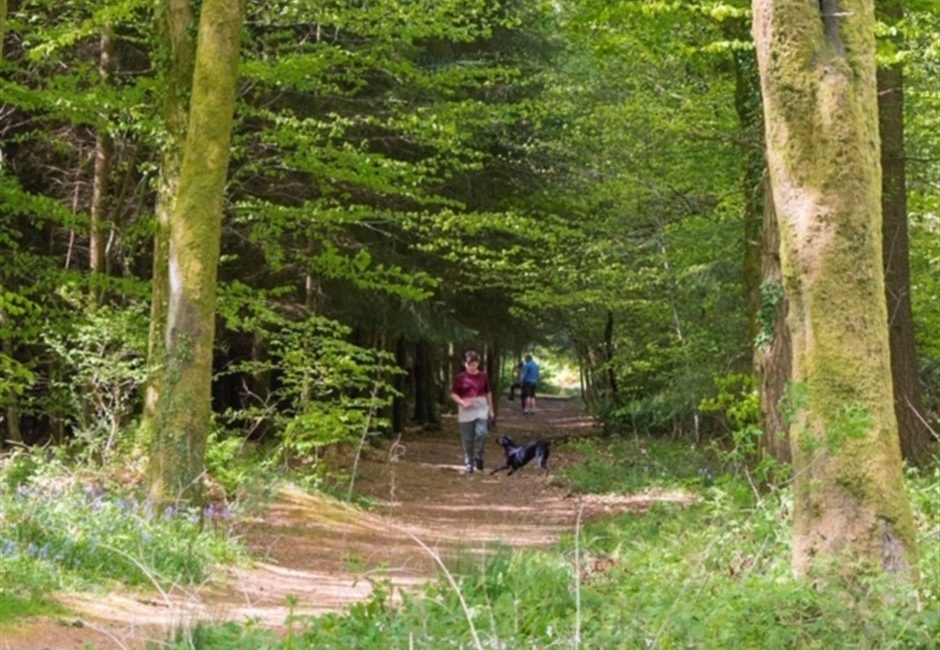
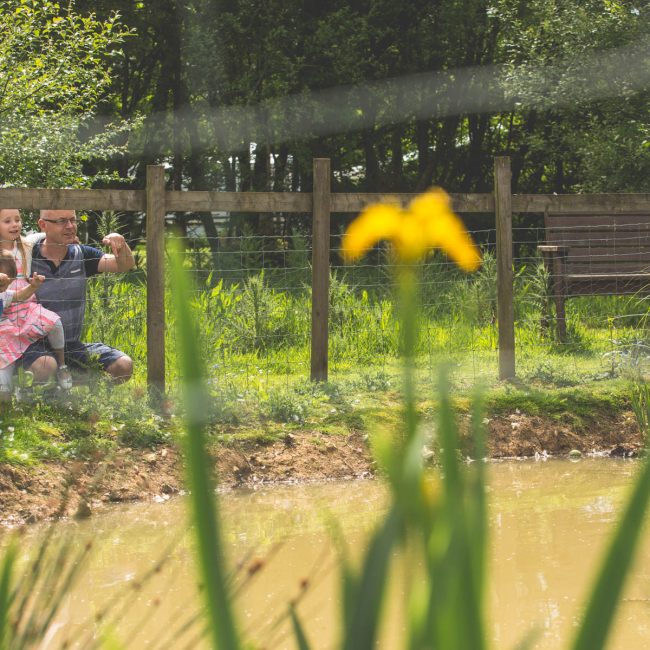
We have a self-guided nature walk which takes your around some of the special features on the park – leaflets are available. You can pick up a leaflet from the Reception Area or Tourist Information Room. The walk suggests plants and wildlife that you can look for throughout the seasons.
Birdwatching
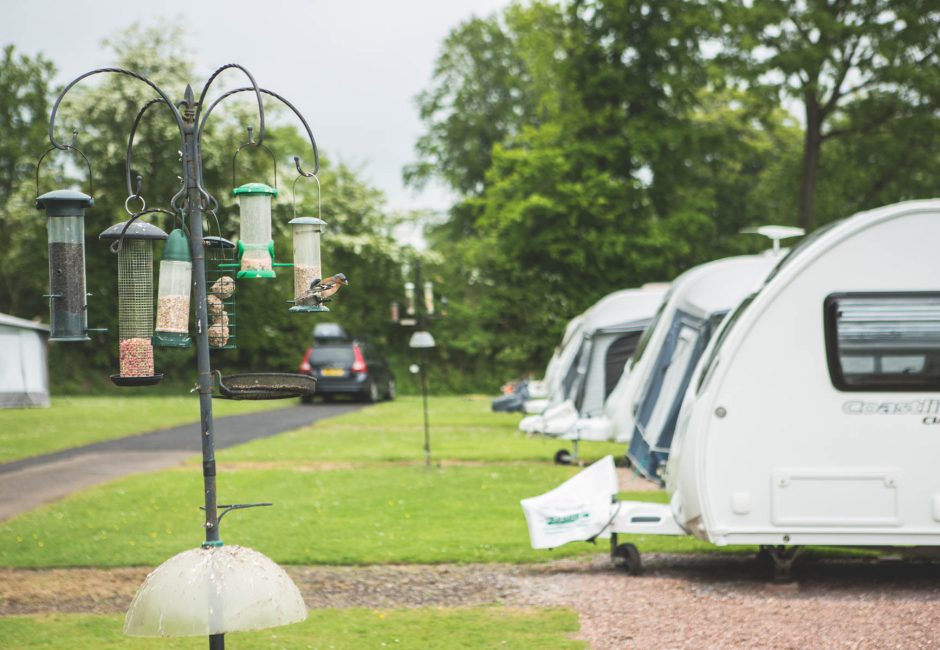
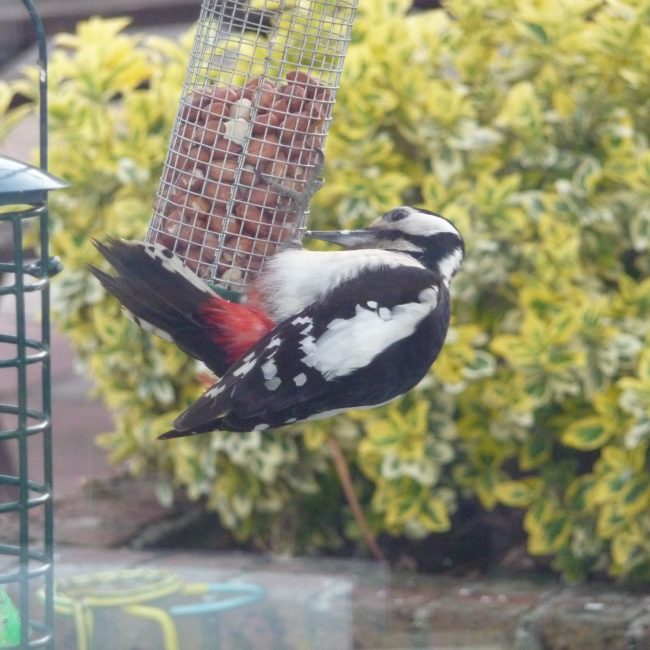
Get out into the surrounding forest and listen to the birdsong or stand quietly and watch the birds flitting through the trees.
The Exe and Axe estuaries are not far away and both important nature reserves for wading birds and other wildlife.
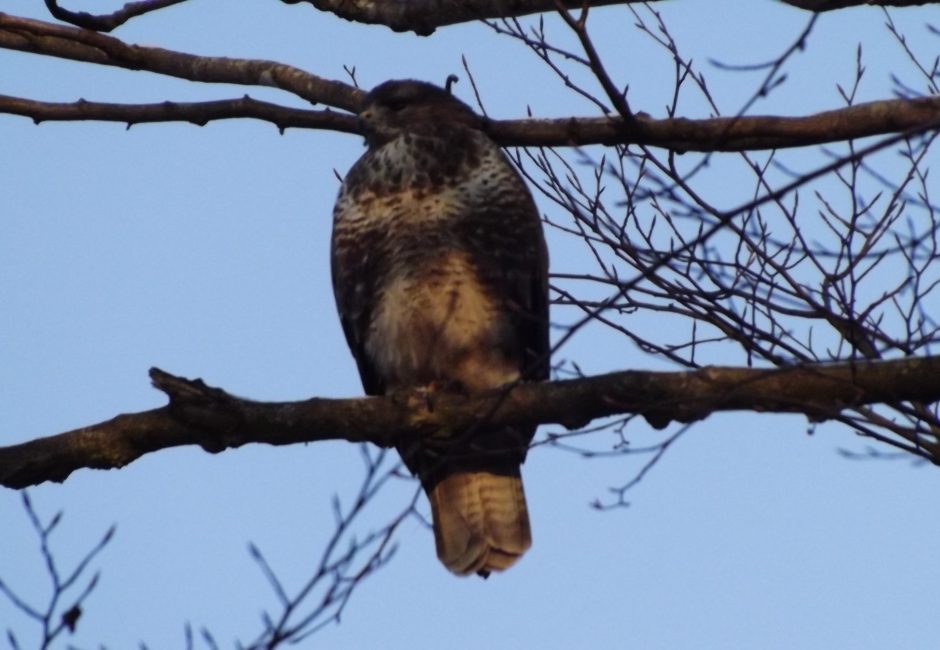
Marshland, commons and forest – RSPB reserves can be found in Topsham and on Aylesbeare Common, amongst other places. Haldon Forest is great for spotting birds of prey and there’s a viewpoint overlooking the Teign Valley.
Wild animals
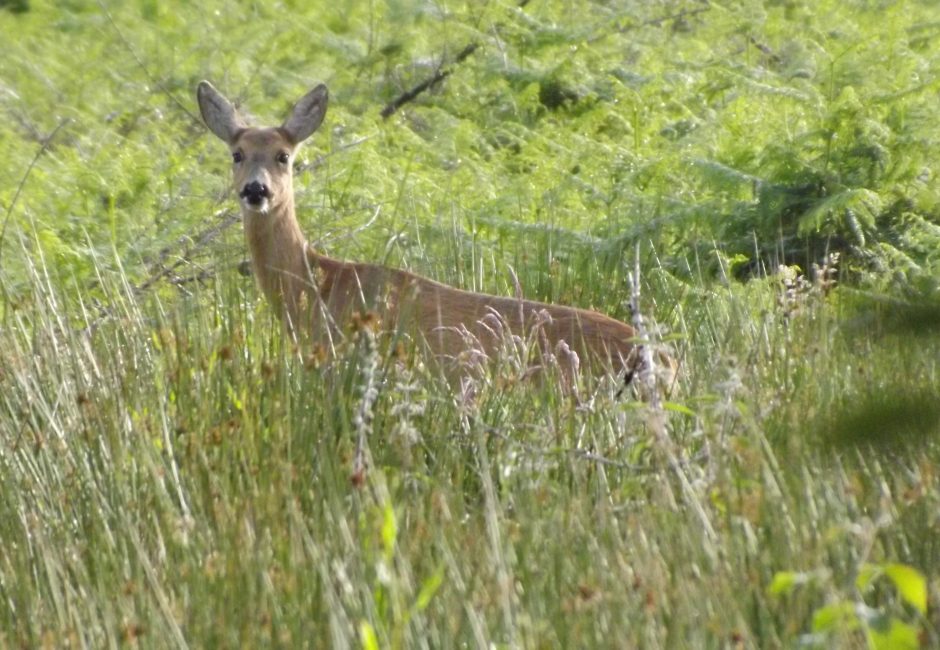
If you are very lucky you may spot deer that live in the forest surrounding the park, especially if you are out walking early in the morning or in the evening, just as it is getting dark.
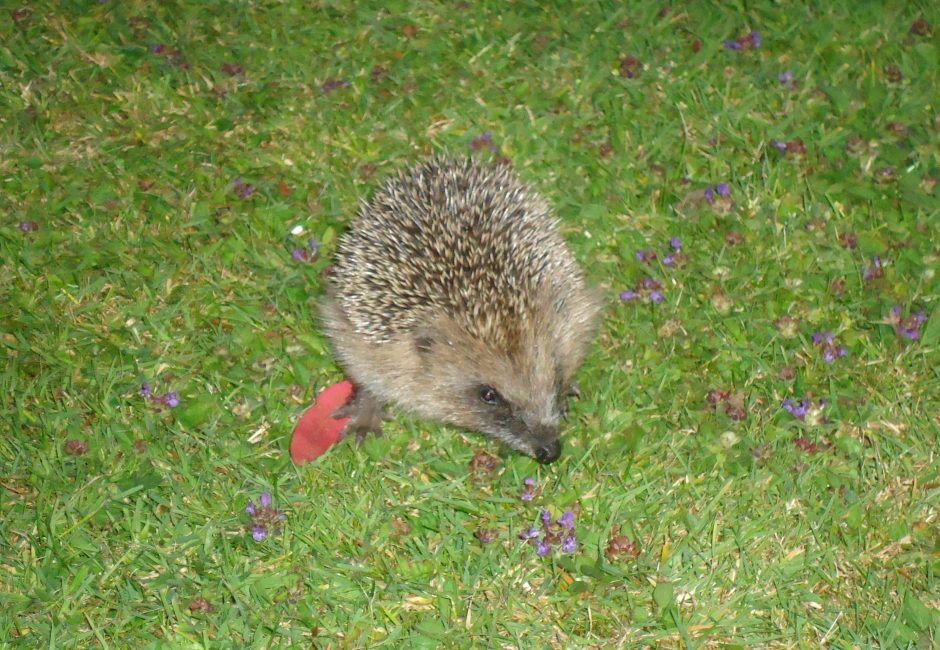
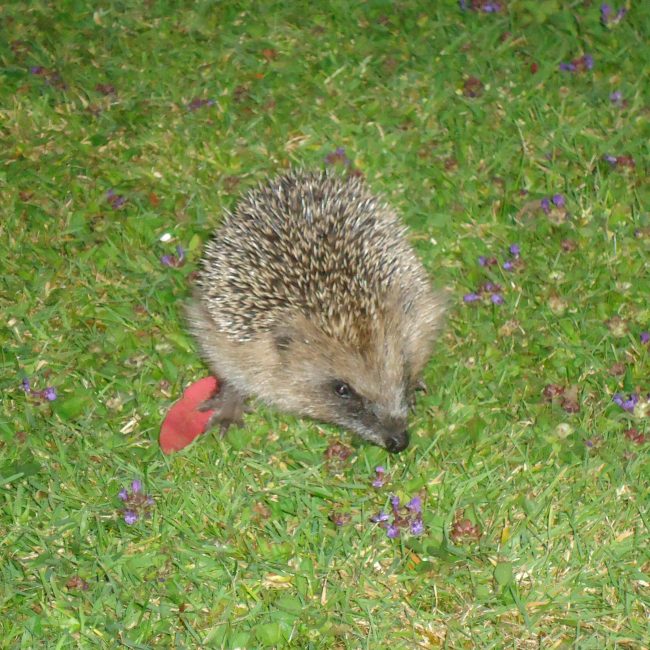
We are lucky to have a good number of hedgehogs living on the park, who may visit your tent at night! You can also see wild rabbits, especially in the Christmas Tree Field or down the drive.
Wildwood Devon, a 30 minute drive from the park, is home to animals who once living wild in Britain. Here you can see bears, wolves, arctic foxes, wild boar, lynx, wildcat, owls, and reptiles.
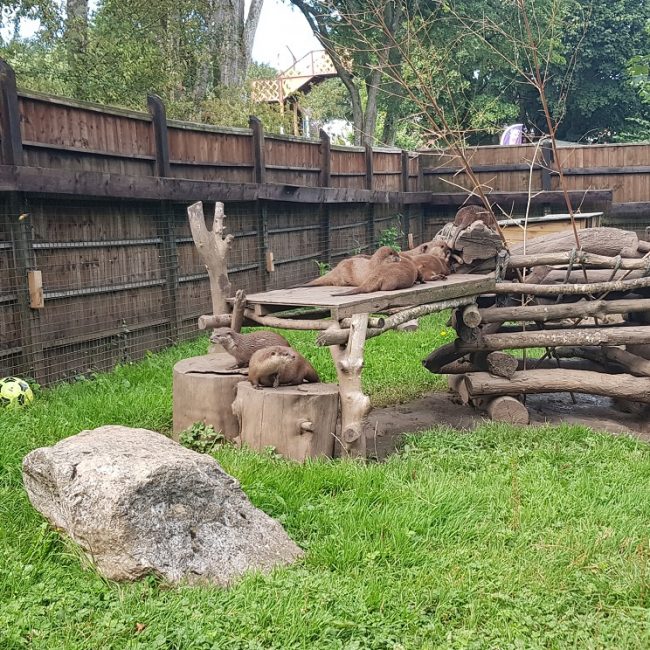
You may be lucky enough to spot an otter in one of the local rivers, or even a beaver. Visit Otters and Butterflies in South Devon for a family visit whatever the weather. Here you can see three different species of otter which have been rescued, bred there or being looked after in their retirement.

Reptiles
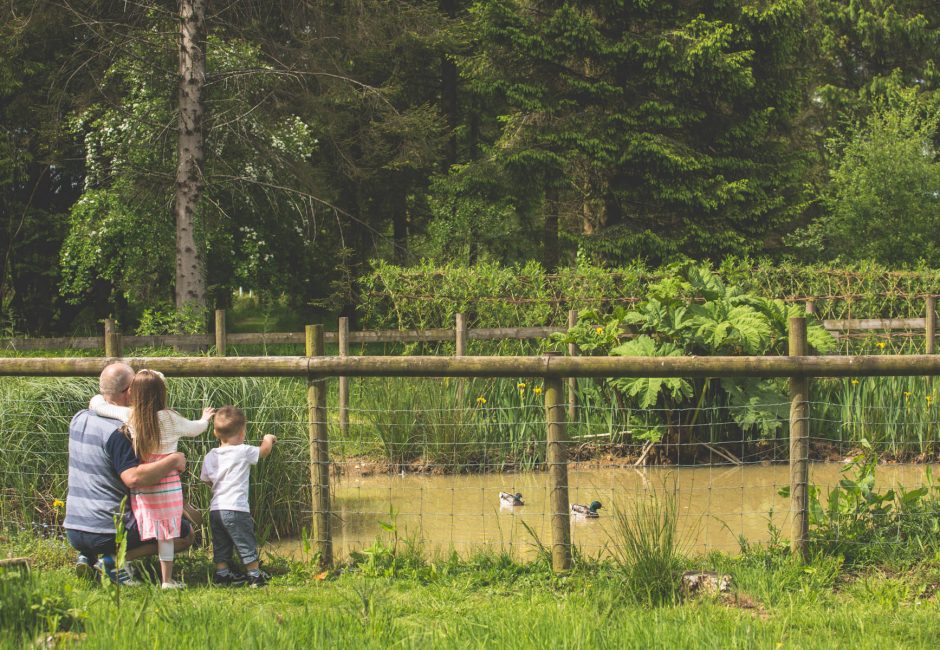
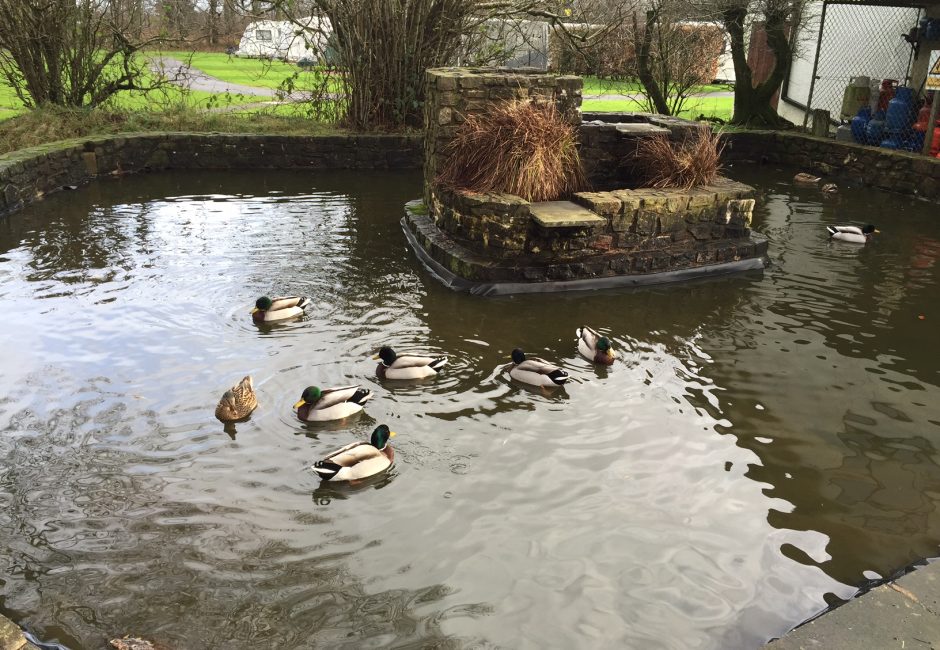
Visit the park in spring and you may be lucky enough to see frogspawn and then tadpoles in our wildlife pond.
Devon is home to six of the UK’s native reptile species.
- Heathlands & Moors: Ideal for Adders, Smooth Snakes, Sand Lizards, and Common Lizards (e.g., East Devon Commons).
- Gardens & Parks: High chance of seeing Slow Worms, Grass Snakes, and Common Lizards.
- Coastal Areas: Sunny grasslands provide habitat for lizards.

Sealife
If you are lucky you might spot a seal basking in the sea off the coast at Sidmouth, and there are tuna and dolphins regularly visiting Lyme Bay.
Morte Point in North Devon is a good place to spot Atlantic grey seals playing near the shore.
Wembury Bay in South Devon is a beautiful coastal area in the South Devon AONB and home to a Marine Centre, where you can find out about the many habitats in the area where plants and animals live.

Plants
Cliffs, heathland, meadows, gardens and parks – Devon is an ideal location for a holiday for plant lovers. Visit the undercliff at Branscombe or head down to Wembury Bay in South Devon to find out about the birds, insects and plants that thrive in these natural habitats.
Pebblebed heaths are some of the most important conservation sites in Europe and are carefully managed to preserve their uniqueness and value to wildlife.

Insects
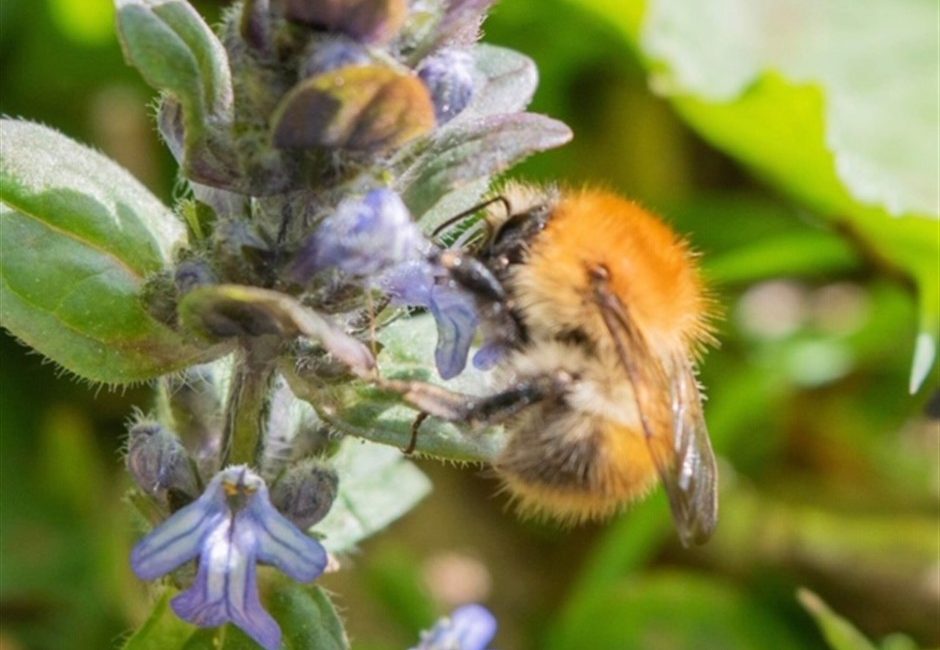
We are lucky to have a colony of wild bees in our hive which you can spot high up in an oak tree near the tennis court. Bees also make their home in a cavity in a beech tree in another hedgerow on the park.
Visit Buckfast Butterflies to see butterflies and moths in a purpose built butterfly house. Here the butterflies live and breed as they would in the wild.
Paignton Zoo is a much-loved family attraction where you can find out about insects in the Bugs at Home exhibition.
To find out more about the fascinating life of bees spend a day at Quince Honey Farm in North Devon, or visit the cafe and gardens at Blackbury Honey Farm near Sidmouth.